LinkedIn Content Strategy for Network Marketers

A good LinkedIn content strategy for network marketers starts with a clear audience, a strong profile, and consistent posts that teach, prove, and invite conversation. The goal is not to chase virality; it is to earn trust and move the right people into direct conversations.
A strong LinkedIn content strategy helps network marketers attract the right people, build trust, and start real conversations. It works best when your profile, posts, and follow-up process all point toward one clear outcome: qualified conversations with prospects, partners, or referral sources.
LinkedIn is a professional social network where people share expertise, build relationships, and evaluate credibility before they reply. That makes it a better fit for trust-based marketing than hard selling. In my experience, the accounts that win here are the ones that teach plainly, post consistently, and sound like a real person.
Quick answer: The best LinkedIn content strategy for network marketers is to post helpful, specific content around one niche, use your profile to explain who you help, and turn engagement into private conversations. Do that well, and your content starts working like a quiet sales assistant.
What Is a LinkedIn Content Strategy for Network Marketers?
A LinkedIn content strategy is a planned system for what you post, who it is for, and what action you want people to take. For network marketers, that usually means building authority, sparking comments, and moving interested people into direct messages.
This is not about posting random motivation every morning. It is about creating a repeatable message that answers real questions your audience already has.
Why Does LinkedIn Work So Well for Network Marketing?
LinkedIn works because people expect professional conversation there. They are usually more open to business topics, referrals, partnerships, and service offers than they are on casual social apps.
It also gives you multiple trust signals at once: your headline, profile photo, experience, recommendations, and content history. If someone views your profile after reading a strong post, they can judge your credibility in seconds.
What Should Your LinkedIn Profile Say?
Your profile should tell visitors exactly who you help, how you help them, and what they should do next. If your profile is vague, your content has to work much harder.
Use a simple structure:
- Headline: Say who you help and the outcome you create.
- About section: Explain your story, your offer, and your point of view.
- Featured section: Add proof, a lead magnet, a booking link, or a helpful post.
- Experience: Focus on results and relevant work, not buzzwords.
One common mistake is writing a headline that sounds impressive but says nothing useful. “Entrepreneur | Leader | Dream Builder” does not help a prospect decide whether to reply.
What Kind of Content Should You Post on LinkedIn?
You should post content that teaches, proves, and invites response. The best LinkedIn content strategy usually mixes education, personal credibility, and simple conversation starters.
| Content Type | Purpose | Example |
|---|---|---|
| Educational Post | Teach a useful idea | “3 mistakes new network marketers make on LinkedIn” |
| Proof Post | Show credibility | “What happened after I improved my profile headline” |
| Story Post | Build connection | “Why I stopped posting generic motivational quotes” |
| Conversation Post | Start engagement | “What is the hardest part of prospecting online right now?” |
A practical mix works better than one content style alone. If every post is a pitch, people tune out. If every post is personal, they may like you but never take the next step.
How Often Should You Post on LinkedIn?
You should post consistently enough to stay visible, but not so often that quality drops. For most network marketers, three to five strong posts per week is a realistic target.
If you can only manage two high-quality posts, that is better than forcing daily content that feels thin. Consistency matters, but clarity matters more.
What Should a Weekly Posting Routine Look Like?
A simple weekly routine keeps your content focused and repeatable.
- Monday: Post a lesson or framework.
- Wednesday: Share a story, mistake, or insight.
- Friday: Ask a question or invite comments.
- Daily: Comment thoughtfully on relevant posts.
This kind of rhythm helps you build visibility without turning content creation into a full-time burden.
How Do You Turn LinkedIn Views into Leads?
You turn views into leads by making the next step obvious and low-pressure. The best move is usually a simple conversation, not a hard close.
Here is the basic process:
- Post useful content tied to a real pain point.
- Reply to comments like a human, not a bot.
- Visit profiles of engaged users who fit your audience.
- Send a personalized connection request.
- Start a real conversation based on context.
That last step matters most. If someone comments on a post about lead generation, don’t send a canned pitch. Refer to the post and ask a relevant question.
Practical example: If a prospect likes your post about time management, follow up with, “What’s the biggest time drain in your business right now?” That opens a conversation without pressure.
What Mistakes Hurt LinkedIn Content Strategy Most?
The biggest mistake is trying to sound like everyone else. Generic motivational content gets buried fast because it does not give people a reason to trust you.
Other common mistakes include these:
- Talking only about yourself.
- Posting without a clear audience.
- Using clickbait that does not deliver value.
- Ignoring comments and DMs.
- Copying trends that do not fit your brand.
If you want better results, think like a guide, not a broadcaster. The more useful your content feels, the easier it is to start conversations.
Can You Use AI to Create LinkedIn Content?
Yes, but AI should support your voice, not replace it. Use it to brainstorm ideas, outline posts, or organize a content calendar.
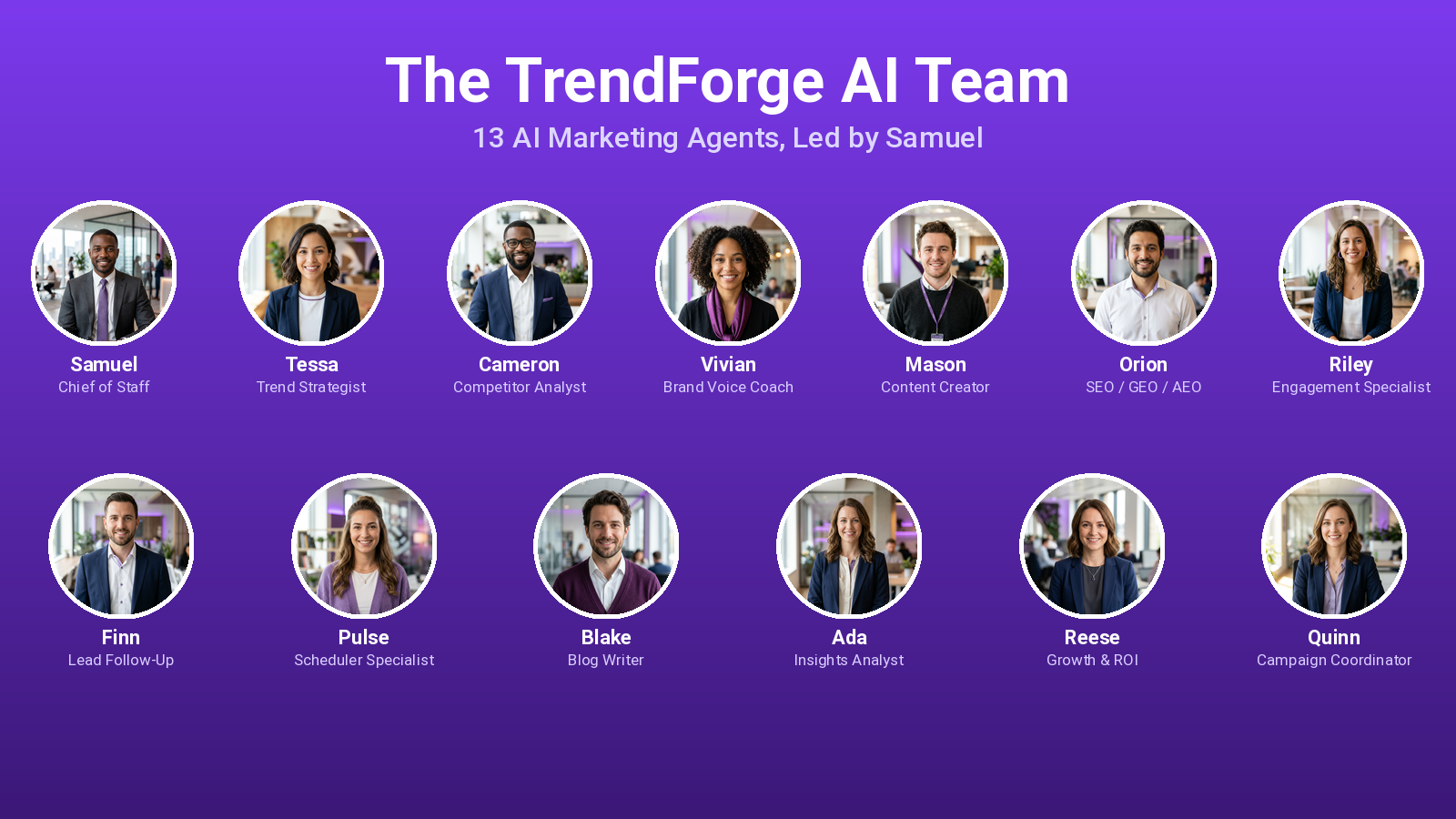
In TrendForge workflows, Orion can help with SEO and discoverability, while Blake can draft article structures and Vivian can refine brand voice. The best results come when a human still adds real examples, opinion, and context.
AI is useful for speed. Human judgment is what makes your content believable.
What Is the Easiest Way to Start?
The easiest way to start is to pick one audience, one problem, and one posting schedule. Do not build a giant content system before you prove you can post consistently.
Start with this simple plan:
- Define one ideal reader.
- Write a profile headline that names the benefit.
- Create three post themes.
- Post three times a week for 30 days.
- Track comments, profile views, and DMs.
If you want a smarter workflow, use a team approach. Ada can help you review what content performs, and Reese can help you connect content activity to pipeline goals.
What Should You Track Each Week?
You should track signals that show trust and conversations, not vanity metrics alone. Likes are nice, but they do not pay the bills.
| Metric | Why It Matters |
|---|---|
| Profile Views | Shows whether posts are driving curiosity |
| Comments | Shows whether your ideas are resonating |
| Connection Requests | Shows whether people want to engage further |
| Direct Messages | Shows whether content is creating sales conversations |
The goal is not just attention. The goal is movement.
Frequently Asked Questions
How Often Should I Post on LinkedIn for Network Marketing?
Three to five times per week is a solid target for most people. Consistency matters more than posting every day.
What Should I Post About on LinkedIn if I Sell Through Referrals?
Post lessons, stories, and practical tips that help your audience solve real problems. Content that teaches trust tends to create better referral conversations.
Do I Need a Large Following to Get Results on LinkedIn?
No. A small, relevant audience can still drive good conversations if your profile is clear and your posts are useful.
Should I Use AI to Write My LinkedIn Posts?
Yes, as a helper. Use AI for outlines and ideas, then add your own examples, opinions, and voice.
What Is the Biggest Mistake Network Marketers Make on LinkedIn?
The biggest mistake is sounding generic. If your posts could belong to anyone, they will not build trust or start conversations.
How Long Should a LinkedIn Post Be?
Most LinkedIn posts perform best when they are short enough to read quickly but long enough to teach something useful. A few tight paragraphs usually work better than a wall of text.
Should Network Marketers Use Hashtags on LinkedIn?
Yes, but sparingly. Use a few relevant hashtags if they fit naturally, and avoid stuffing them into every post.
How Do I Sound Professional Without Sounding Stiff?
Use plain language, speak directly, and write like you talk in a business meeting. Clear is better than polished.
Is LinkedIn Better Than Instagram for Network Marketing?
It depends on your audience, but LinkedIn is usually stronger for professional credibility and business conversations. Instagram can support brand awareness, but LinkedIn often leads to warmer B2B-style outreach.
Can I Repurpose the Same Content Across Platforms?
Yes, but rewrite it for the platform. A LinkedIn post should feel more professional and conversational than a casual social caption. A good LinkedIn content strategy does not need to be complicated. It needs to be clear, consistent, and built around real conversations. If you teach something useful and show up like a human, the right people will notice.
Written By
The TrendForge Team
The TrendForge editorial team covers social media marketing, content strategy, and AI-assisted content creation, drawing on the same trend-discovery and generation engine that powers the TrendForge platform.